Player Migration Trends Between Different Digital Card Platforms During Major Sporting Events
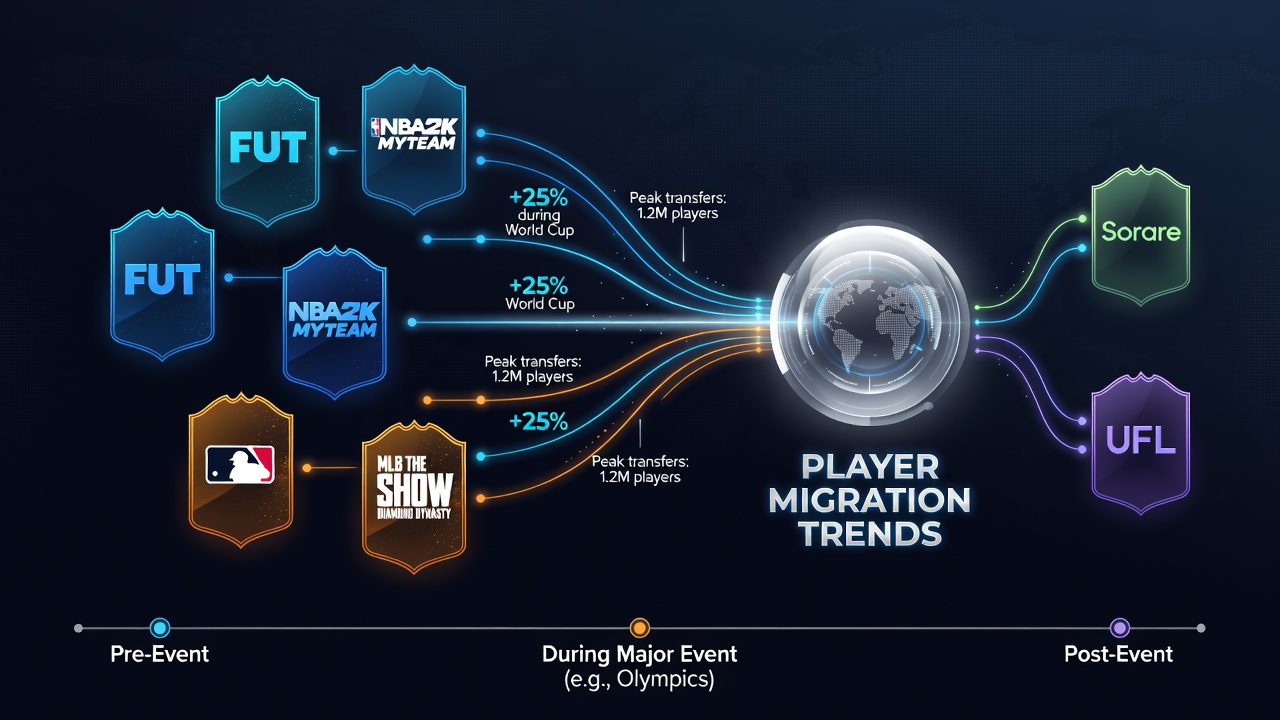
Digital card platforms experience noticeable shifts in user bases when major sporting events unfold, and analysts track these movements through traffic patterns, registration spikes, and session durations across multiple services. During events such as the Super Bowl, FIFA World Cup matches, and Wimbledon finals, participants often move between poker sites, fantasy card leagues, and integrated betting-card hybrids in search of promotions tied directly to the sporting calendar or faster transaction processing during peak hours.
Patterns Observed in Recent Tournaments
Research from industry monitoring firms shows consistent migration toward platforms that offer real-time odds integration with ongoing matches, and this trend repeats across continents with variations by region. In North America, operators report increased activity on apps that combine card play with live sports data feeds, while European users demonstrate stronger shifts toward services emphasizing mobile compatibility during evening matches in July 2026 when the FIFA World Cup reaches its later stages. These movements occur because users seek interfaces that handle simultaneous viewing and gameplay without lag, and data logs confirm shorter average session times on slower platforms during high-stakes moments in tournaments.
One study compiled by the American Gaming Association documented a 28 percent rise in cross-platform transfers in the 48 hours surrounding major finals, and the figures break down further by device type with mobile users accounting for the majority of switches. Observers note that payment method availability drives many of these decisions, since platforms supporting instant withdrawals attract traffic from those requiring longer verification windows when events conclude late at night.
Regional Differences and Platform Features
Users in Asia-Pacific markets tend to migrate toward cryptocurrency-enabled card rooms during events like the Australian Open, whereas Latin American participants favor sites with localized currency options and language support during Copa América cycles. These preferences emerge from comparative analyses of user logs collected by independent research groups, and they highlight how regulatory environments shape available features on each service. Platforms that update their promotional calendars to align with specific tournaments retain higher retention rates, while others see outflows within the first day of a major match schedule.
Canadian regulatory data released through the Alcohol and Gaming Commission of Ontario indicates similar patterns during NHL playoff periods that overlap with card platform peaks, and operators there track migration through unique device identifiers rather than account creation alone. This method reveals that many players maintain multiple accounts and activate them sequentially based on bonus structures advertised around key games.
Impact of Live Integration Tools
Live integration tools such as embedded video streams and synchronized betting interfaces accelerate movement between services, and platforms investing in these features record steadier inflows during July events when overlapping sports calendars create continuous viewing opportunities. Experts tracking these dynamics point to reduced churn on services that allow seamless switching between card tables and sports dashboards without separate logins.
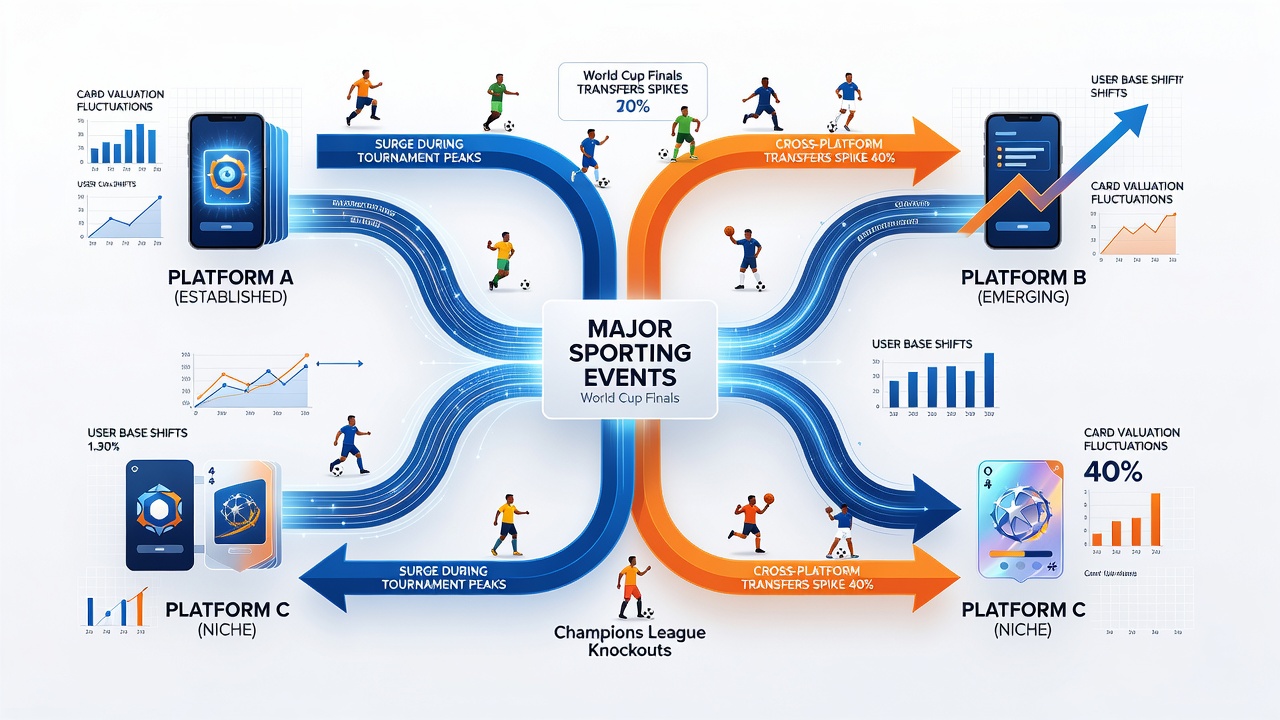
Academic papers from the University of Nevada's International Gaming Institute have examined how notification systems influence these decisions, and results suggest that timely alerts about limited-time event bonuses prompt immediate logins on competing apps. Those who monitor multiple platforms simultaneously often consolidate activity onto whichever service provides the most reliable connection during congested network periods around live finals.
Future Projections for 2026 Events
Projections for the remainder of 2026 anticipate continued growth in these migration volumes as more platforms adopt cross-event APIs that connect card play directly to tennis, soccer, and basketball schedules. Data aggregation services already compile weekly reports comparing traffic sources, and these documents reveal that services without strong mobile optimization lose ground quickly once an event enters knockout phases. Payment processor partnerships also factor into long-term retention, since users who complete withdrawals without friction during one tournament return to the same platform for the next major calendar date.
Conclusion
Overall, player movements between digital card platforms during major sporting events follow measurable patterns driven by promotional timing, technical performance, and regional regulatory differences. Continued monitoring through 2026 will provide clearer benchmarks as additional tournaments unfold and operators refine their event-specific offerings.