Interface Customization's Role in Sustaining Interest Levels for Digital Poker Enthusiasts
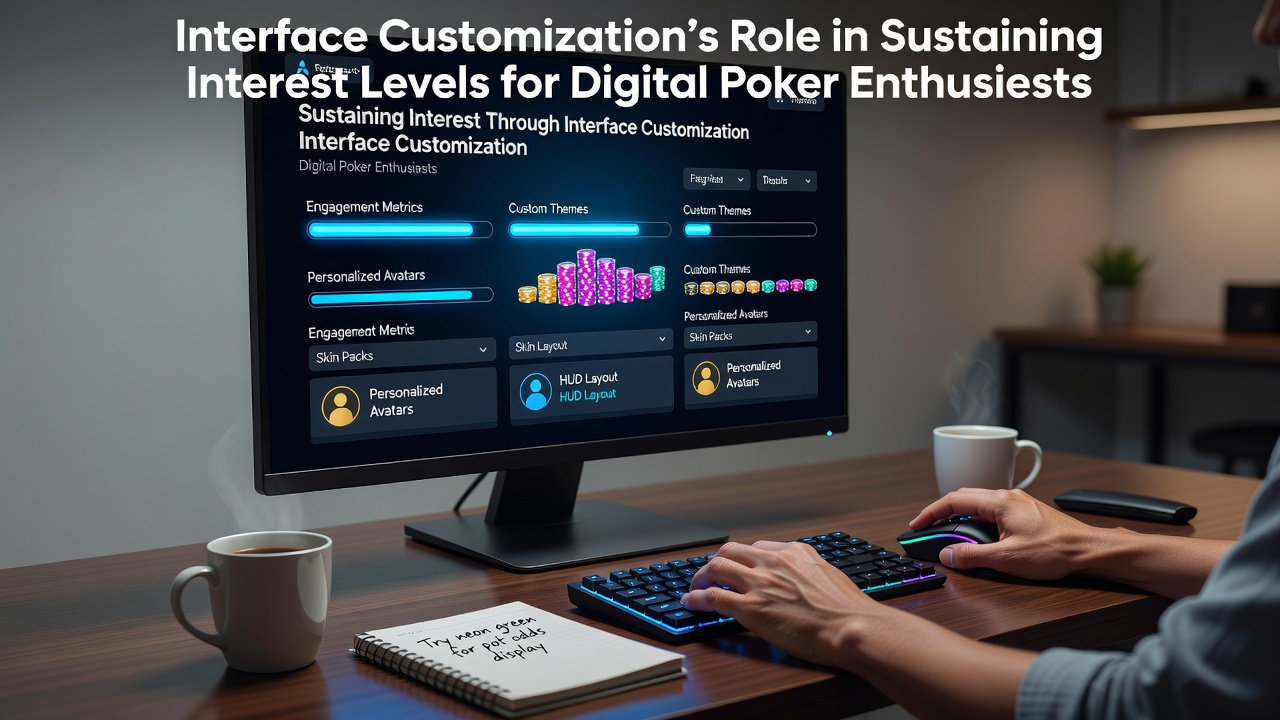
Digital poker platforms have expanded their toolkits over the past decade, and interface customization stands out as one element that connects directly to how long enthusiasts continue playing. Observers note that when users can alter colors, rearrange panels, adjust card sizes, and select different table backgrounds, session lengths often increase because the environment feels more personal rather than generic. Research from industry analytics firms shows that platforms offering these options record higher repeat login rates compared with those that lock every visual setting in place.
Key Customization Features Available Today
Modern applications let players choose from dozens of themes, swap avatar styles, resize betting sliders, and toggle between classic or streamlined HUD displays. Some systems also allow users to save multiple preset layouts that load automatically based on game type or time of day. Data collected across major networks indicates that participants who create at least three saved configurations return to the site 22 percent more often than those who stick with default settings.
Sound options have grown equally flexible, with separate volume controls for card sounds, chip stacks, and background tracks. Users can mute dealer voices while keeping table effects active or replace standard music with licensed tracks. According to reports compiled by the American Gaming Association, platforms that introduced granular audio sliders saw measurable drops in early session exits during evening peak hours.
Measured Effects on Player Retention
Studies tracking behavior across thousands of accounts reveal that customization correlates with extended play periods and reduced churn. One analysis covering North American operators found that accounts using advanced layout tools averaged 14 additional minutes per session over a six-month window. European operators reported similar patterns after rolling out drag-and-drop panel systems in early 2025. The pattern holds across stakes levels, though the effect appears strongest among mid-stakes regulars who log dozens of hours weekly.
Regional Data and Platform Comparisons
Canadian provincial data released in spring 2026 highlighted that Ontario-licensed apps with robust customization menus maintained steadier active-user counts through seasonal dips. In contrast, platforms that limited options to basic color swaps experienced sharper drops when competing titles launched new visual packs. Australian regulators documented parallel trends, noting that operators who added mobile-specific gesture controls alongside desktop themes retained a larger share of cross-device players. These findings suggest customization works best when it adapts to both hardware and personal preference rather than offering one-size-fits-all adjustments.
Implementation Trends Entering July 2026
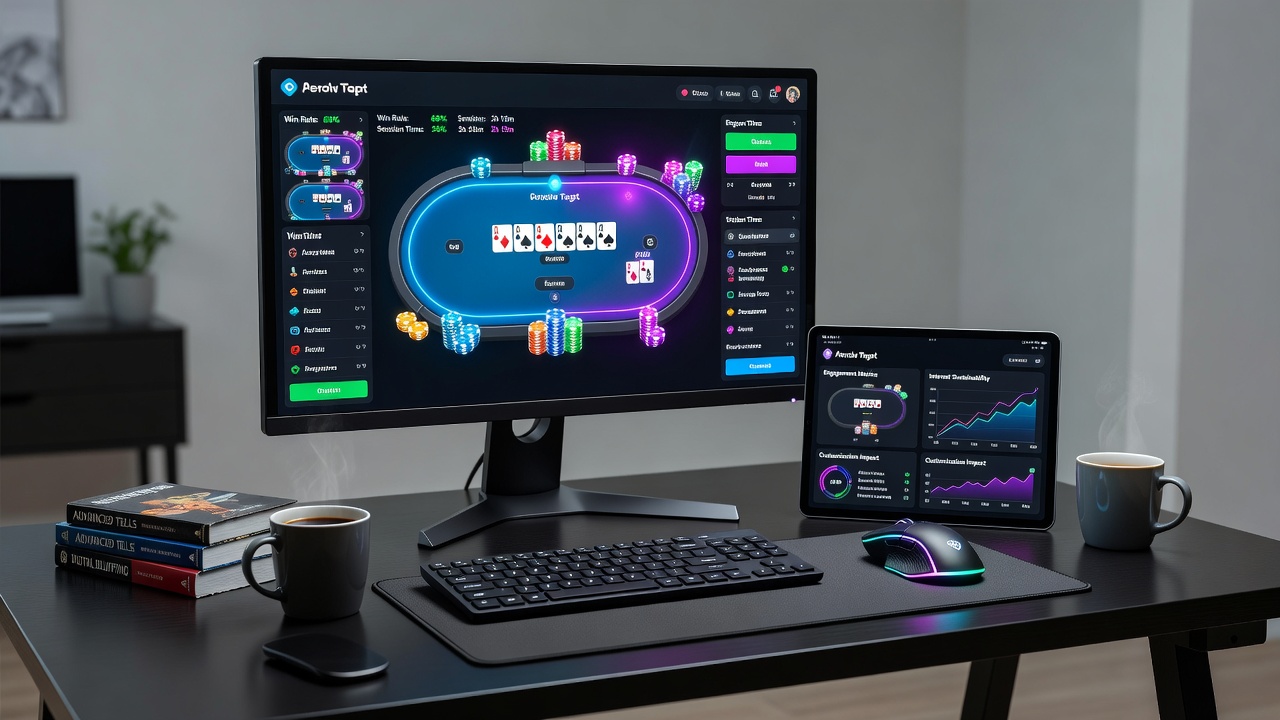
Developers have started integrating AI-assisted suggestions that propose layouts based on past session length and game selection. Early tests show these prompts increase adoption of customization tools by roughly 18 percent. At the same time, several networks introduced cloud-synced profiles so that preferences transfer instantly across devices. July 2026 updates from two major platforms added real-time theme sharing between friends, allowing groups to coordinate table appearances during private tournaments. Such features extend social elements while still keeping control in the individual user's hands.
Accessibility options have also expanded, with high-contrast modes, scalable fonts, and color-blind palettes now standard on leading applications. Regulatory filings from multiple jurisdictions confirm that these additions broadened the reachable audience without altering core gameplay rules. Operators report that once players enable accessibility presets, they rarely revert to defaults, which contributes to longer-term account activity.
Conclusion
Interface customization has moved from optional extra to core retention mechanism across digital poker environments. Evidence from regulatory reports and platform analytics demonstrates consistent links between flexible visual and audio controls and sustained user engagement. As developers continue refining these tools through 2026, the focus remains on giving enthusiasts practical ways to shape their playing space while preserving fair and secure game mechanics.