How Tournament Structures Influence Skill Development in Digital Card Competitions
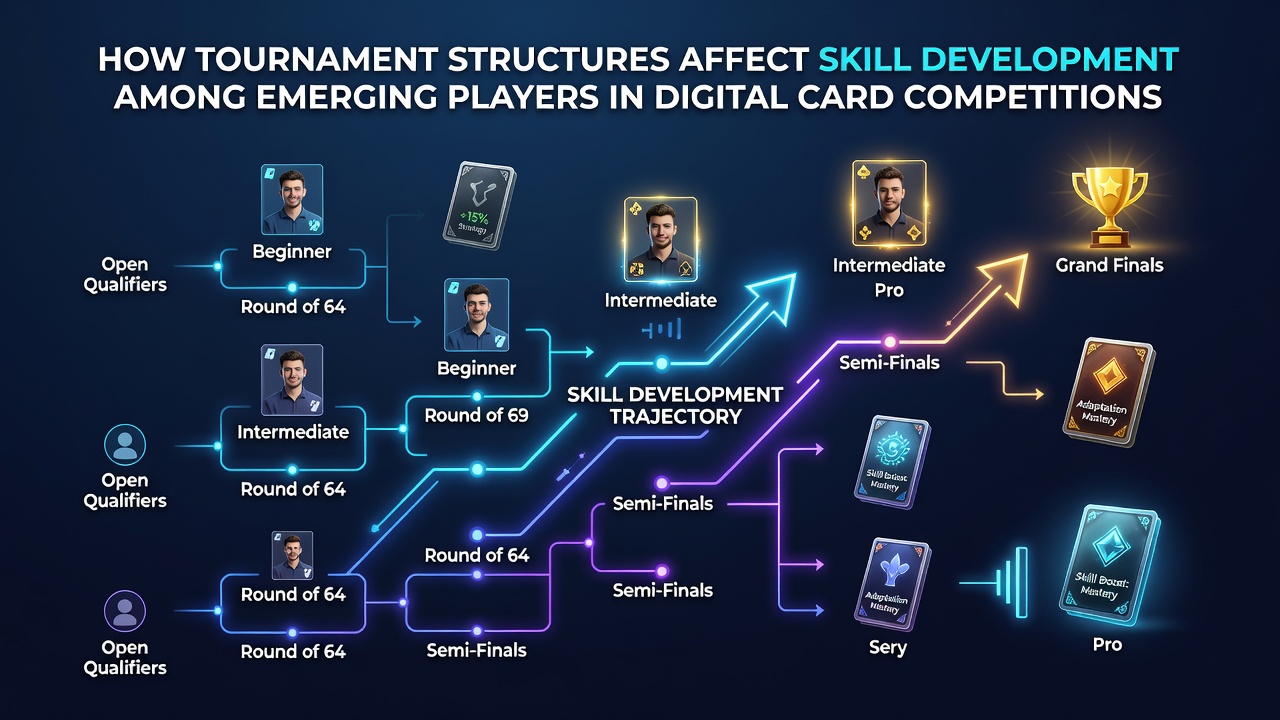
Digital card competitions have expanded rapidly over the past decade, and tournament structures play a central role in how emerging players build core competencies. Formats range from single-table sit-and-gos to large-scale multi-table events, each presenting distinct learning environments that shape decision patterns, bankroll management habits, and strategic adaptation over time.
Format Variations and Their Learning Pathways
Single-table tournaments compress the entire experience into one group of players, which forces participants to confront shifting dynamics quickly while stack sizes dwindle at a predictable rate. Multi-table events stretch across hours or days and expose competitors to wider ranges of opponent tendencies plus variable table conditions that require ongoing adjustment. Researchers tracking player progression data note that those starting in shorter formats often develop faster pattern recognition for immediate pressure situations, whereas extended formats encourage deeper study of long-term positional play and endurance-based choices.
Blind structures further differentiate these experiences because rapid escalation in one setup rewards aggressive early moves while slower increments in another allow more room for positional experimentation. Emerging players therefore encounter different reinforcement loops depending on which schedule they select most frequently.
Stack Depth and Risk Calibration
Shallow starting stacks push competitors toward binary decisions earlier in events, training quick evaluation of equity and fold equity under constrained conditions. Deeper stacks delay this pressure and instead emphasize post-flop planning along with multi-street calculations that develop over multiple hands. Data collected from platform analytics indicates that players who rotate between both depths acquire broader toolkits compared with those who remain in a single category for extended periods.
Observers following June 2026 platform updates have documented increased availability of hybrid structures that blend shallow and deep phases within the same event, giving participants controlled exposure to both skill sets without requiring separate registrations.
Payout Distributions and Behavioral Adaptation
Flat payout structures spread rewards across more finishing positions and reduce the incentive for extreme variance plays near the bubble, while top-heavy distributions concentrate value at the final table and reward survival-oriented strategies earlier. Studies from academic gaming research groups show measurable differences in how new competitors adjust their risk thresholds once they internalize these payout realities through repeated participation.
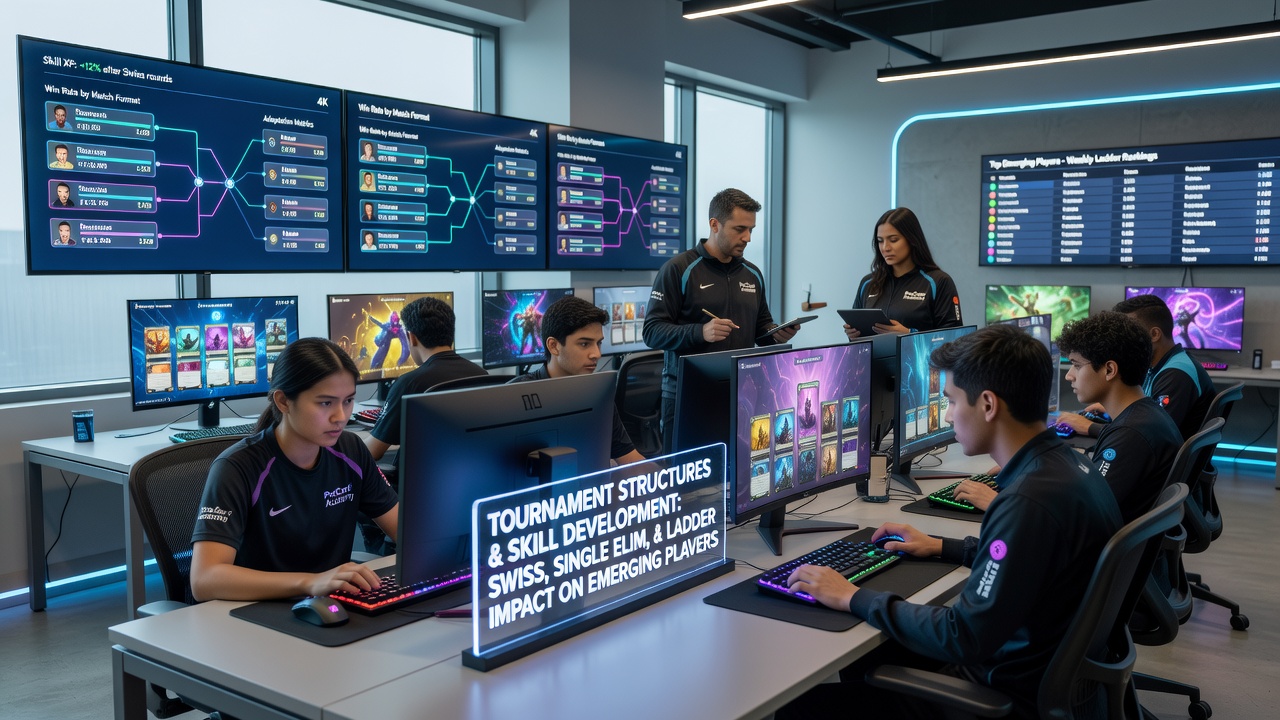
Rebuy and add-on options introduce additional layers because they alter effective starting stacks mid-event and change the cost-benefit calculations players must perform. Those who regularly encounter such mechanics develop more nuanced bankroll segmentation skills as a direct result.
Platform Data and Progression Tracking
Industry reports compiled by organizations such as the Australian Institute of Family Studies highlight correlations between tournament volume and skill metrics among frequent users of digital platforms. Metrics tracked include average finish position improvement, hand history review frequency, and adaptation speed following rule or structure changes. Players who sample multiple formats within a single month tend to show steadier gains across these indicators than those who specialize narrowly.
European regulatory summaries from bodies including the Malta Gaming Authority further note that transparent structure documentation helps newer entrants identify suitable entry points and accelerates their transition from recreational to competitive mindsets.
Conclusion
Tournament structures therefore function as training scaffolds that guide how emerging competitors internalize core principles of digital card play. The combination of stack depth, blind pacing, payout shape, and ancillary mechanics creates distinct developmental trajectories that platforms continue to refine. Continued monitoring of participation patterns through 2026 will clarify which combinations most effectively support consistent skill growth across diverse player populations.