Decoding Algorithmic Personalization in Mobile Slot and Poker Recommendation Systems
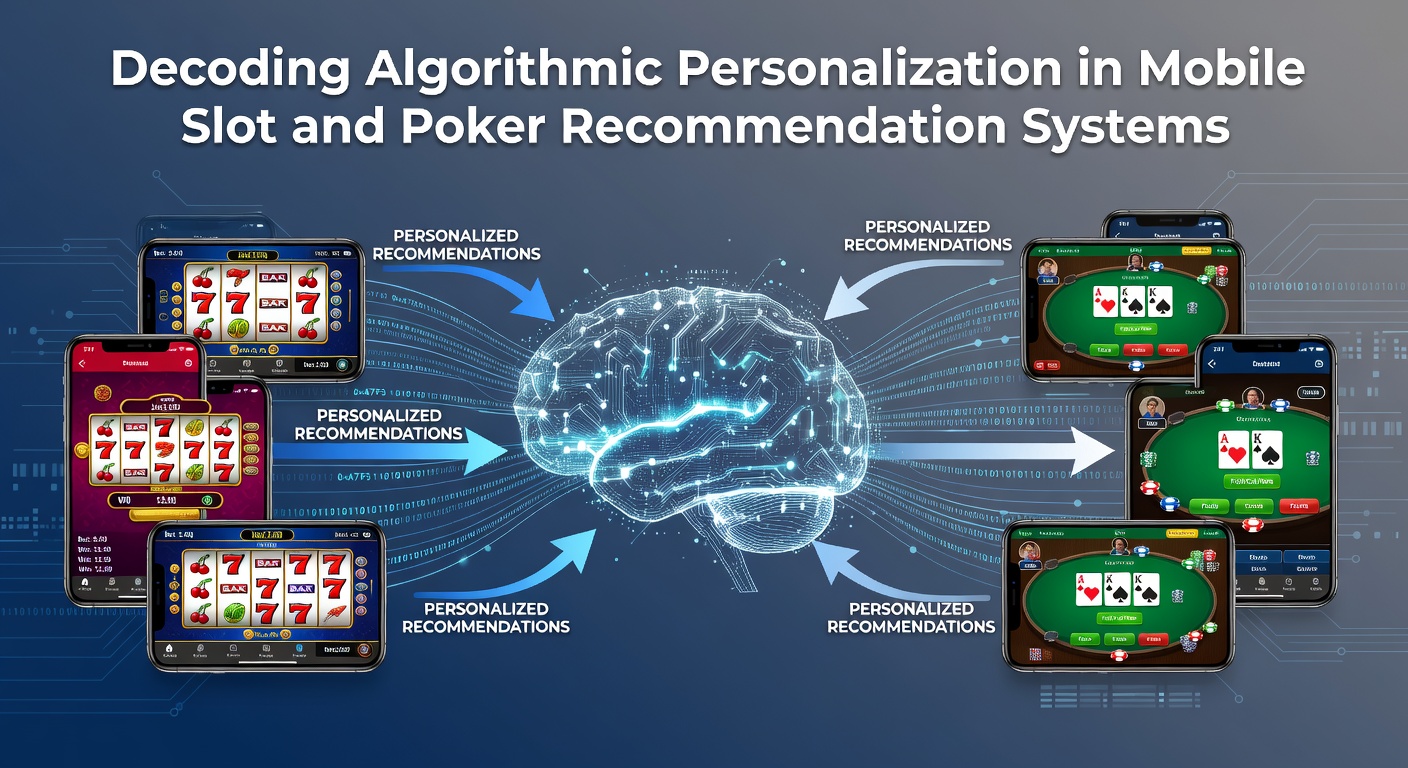
Algorithmic personalization has become a core component of mobile slot and poker platforms where recommendation engines analyze user behavior to suggest games that align with individual patterns, and developers continue refining these systems to improve engagement metrics across global markets.
How Data Collection Fuels Recommendation Engines
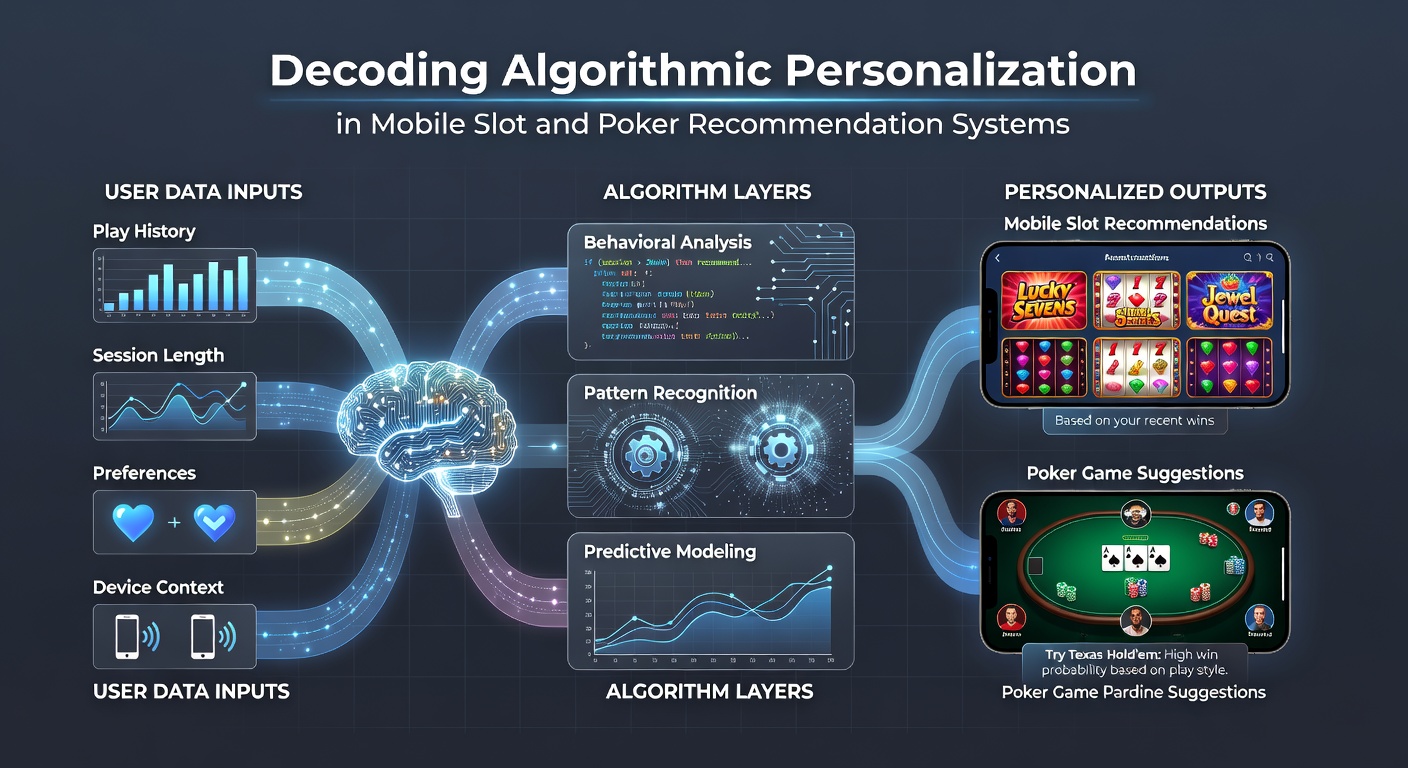
Users generate extensive behavioral data through taps, session durations, bet sizes, and game preferences while platforms track these signals in real time to build detailed profiles, and this continuous stream allows algorithms to identify preferences such as high-volatility slots or specific poker variants like Texas Hold'em versus Omaha.
Researchers at various institutions have documented how mobile applications collect device information, location data when permitted, and historical play records to train models that predict future choices, yet regulatory frameworks in regions like Australia and parts of Europe require transparency around such practices to protect user privacy.
Machine Learning Techniques Behind the Suggestions
Collaborative filtering remains one of the primary methods where systems compare one player's activity against thousands of others to surface similar recommendations, while content-based approaches examine game attributes like theme, return-to-player percentages, and bonus structures to match them with established user tastes.
Hybrid models combine both strategies to reduce limitations that arise when new users lack sufficient history or when niche games receive limited play, and studies from academic sources show these combined systems often achieve higher accuracy rates in predicting session length and deposit frequency.
Reinforcement learning adds another layer by adjusting suggestions based on immediate feedback such as whether a player continues spinning after a recommended slot loads or switches tables during poker sessions, allowing the algorithm to optimize for retention rather than single interactions.
Regional Trends and Developments Through 2026
Operators in North American and Asian markets have accelerated deployment of advanced personalization features during early 2026 as mobile traffic continues to dominate overall iGaming volume, and platforms serving Canadian users report measurable increases in average session time following targeted updates to their recommendation logic.
Observers note that regulatory changes scheduled for mid-May 2026 in certain jurisdictions coincide with broader industry efforts to integrate responsible gaming prompts directly into personalized feeds, ensuring that high-risk patterns trigger interventions without disrupting the overall user experience.
One research paper published by scholars examining European markets highlights how cultural differences in game selection influence algorithm training, with Mediterranean players showing stronger affinity for themed slot progressions compared to Nordic preferences for rapid-play poker formats.
Practical Examples from Live Platforms
Take the case of a mid-sized operator that introduced dynamic poker table suggestions based on player skill indicators derived from win rates and bluff frequency, resulting in documented shifts toward more balanced matchmaking that reduced frustration among newer participants.
Slot recommendations often surface progressive jackpot titles to users who previously engaged with similar mechanics, and data from industry reports indicate these targeted pushes can increase participation rates in linked bonus rounds by notable margins when timed according to historical activity peaks.
Those who have analyzed app telemetry across multiple operators find that personalization extends beyond simple genre matching to include timing elements such as suggesting shorter poker sit-and-go events during weekday commutes versus deeper tournament structures on weekends.
Challenges Around Fairness and Transparency
Critics raise concerns that opaque algorithms might inadvertently steer users toward higher house-edge options even when lower-risk alternatives exist within the same library, and several gaming associations have called for standardized audit procedures to verify that recommendations do not exploit behavioral vulnerabilities.
Developers respond by implementing explainable AI components that allow players to view basic reasons behind suggestions, such as "frequently played by others with similar deposit patterns," while maintaining competitive edges in proprietary model details.
International bodies including the Responsible Gambling Council have published guidelines encouraging periodic reviews of recommendation systems to ensure compliance with emerging standards expected to tighten further throughout 2026.
Future Directions in Algorithmic Refinement
Integration of biometric signals from mobile sensors and cross-device synchronization represent the next frontier where systems could adapt recommendations based on detected fatigue levels or time-of-day patterns, although implementation remains limited by varying data protection rules across jurisdictions.
Academic collaborations with industry partners continue to explore graph neural networks capable of modeling complex relationships between game features and user cohorts, potentially unlocking more nuanced personalization without requiring explicit user input.
Evidence from pilot programs suggests these advancements may also support better integration of self-exclusion tools by recognizing when play patterns diverge from established profiles and prompting appropriate safeguards.
Conclusion
Algorithmic personalization in mobile slot and poker environments continues to evolve through layered data analysis and adaptive modeling that responds to both individual habits and broader market signals, and ongoing regulatory developments slated for May 2026 will likely shape how these systems balance engagement goals with player protection requirements in the years ahead.