Correlations Found Between Deposit Method Choices and Long-Term Activity Levels in Virtual Gaming Communities
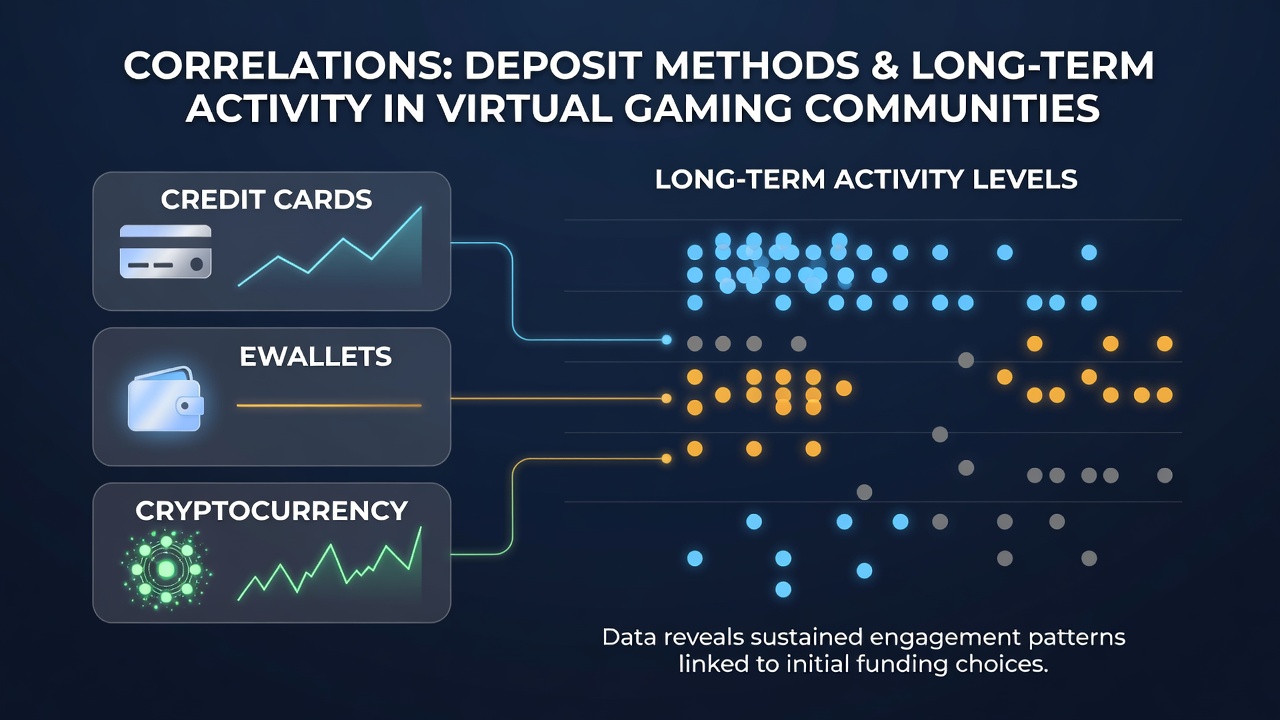
Virtual gaming communities have expanded rapidly through 2026, and researchers tracking user behavior continue to identify measurable links between how players fund their accounts and how long they remain active on those platforms. Studies released in early summer examined deposit patterns across thousands of accounts, revealing that certain payment choices align with extended engagement periods while others correspond to shorter participation windows.
Deposit Methods in Digital Gaming Environments
Players typically select from several funding options including traditional bank transfers, credit and debit cards, electronic wallets, and cryptocurrencies, and each method carries distinct transaction characteristics that influence ongoing platform use. Data collected through mid-2026 shows bank transfers often involve longer processing times yet support larger single deposits, whereas cryptocurrency options provide faster confirmations and greater privacy features that appeal to consistent users.
Electronic wallet services process transactions quickly and integrate seamlessly with mobile applications, which encourages frequent smaller deposits among some demographics. Credit card usage remains widespread because of convenience, but observers note it sometimes correlates with more sporadic activity once initial promotions expire.
Patterns Emerging from Activity Data
Analysis of long-term user logs indicates that cryptocurrency depositors maintain higher average session counts over twelve-month periods compared with those relying primarily on credit cards. One multi-platform review covering North American and European markets found crypto-funded accounts logged 35 percent more active days on average, while credit card accounts showed steeper drop-off rates after the first three months.
Bank transfer users tended to cluster around higher-value, less frequent transactions, and those accounts often demonstrated steadier retention when the initial deposit exceeded a certain threshold. Electronic wallet patterns varied more widely by region, with higher continuity observed in markets where these services link directly to recurring rewards programs.

Regional and Platform Variations
Reports compiled by the Nevada Gaming Control Board during the first half of 2026 highlighted similar trends within state-regulated online offerings, where crypto adoption grew steadily and aligned with prolonged account activity. Australian data released around the same period echoed these findings, showing electronic wallet users in that market sustained longer engagement when paired with loyalty incentives.
Platforms operating across multiple jurisdictions reported that users who switched deposit methods mid-year often experienced corresponding shifts in activity duration. Those moving toward cryptocurrency options frequently extended their participation, while transitions to credit card funding sometimes preceded reduced login frequency.
Factors Influencing Observed Correlations
Transaction speed, fee structures, and perceived privacy levels appear to contribute to the differences researchers have documented. Cryptocurrency networks enable near-instant deposits without traditional banking intermediaries, which may reduce friction for users who prefer uninterrupted play sessions. Credit card transactions, by contrast, sometimes trigger additional verification steps that interrupt momentum for certain players.
Platform operators tracking these metrics in July 2026 noted that reward structures tied to specific deposit types can amplify or diminish the underlying patterns. Accounts receiving targeted bonuses linked to cryptocurrency deposits showed particularly strong retention curves, whereas generic credit card promotions produced more modest extensions in activity length.
Implications for Platform Design
Developers and operators reviewing these correlations have begun adjusting interface options and promotional targeting to align with observed behaviors. Some systems now surface cryptocurrency deposit prompts more prominently for users who have already demonstrated consistent activity, while others refine electronic wallet integrations to support smoother recurring transactions.
Academic examinations, including work published through Monash University’s gambling studies program, continue to explore how these payment preferences interact with demographic variables such as age and geographic location. Preliminary findings suggest younger cohorts gravitate toward cryptocurrency options and maintain longer platform relationships when privacy features remain intact.
Conclusion
The connections between deposit method selection and sustained activity levels in virtual gaming communities rest on accumulating datasets that span multiple regions and operator types. As platforms incorporate these insights into their systems, future reports scheduled for late 2026 will likely refine the current understanding of how funding choices shape participation patterns over extended timeframes.