Avatar Customization Features Shaping Social Dynamics Across Virtual Poker Communities
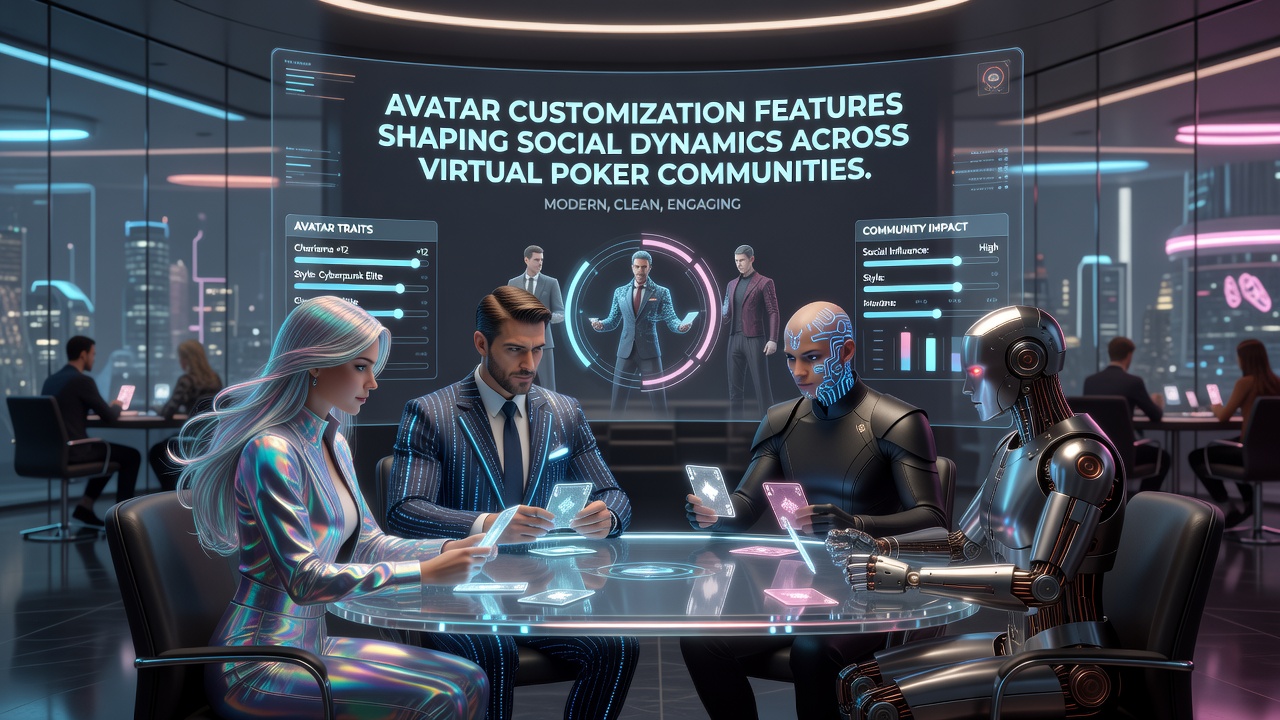
Virtual poker platforms have expanded avatar customization tools that allow participants to alter appearance elements including clothing styles, facial expressions, gestures, and accessory items, and these modifications now influence interaction patterns at digital tables in measurable ways. Developers introduced layered options over recent years that go beyond basic character selection, enabling users to signal affiliations or preferences through visual choices during live sessions.
Core Customization Options and Platform Implementation
Most major networks provide sliders for body type adjustments alongside libraries of branded apparel and animated emotes that activate during betting rounds or showdowns. Some applications tie certain cosmetic upgrades to loyalty milestones or tournament results, creating visible markers that other players notice immediately upon joining a table. Research from the University of Nevada's gaming studies division indicates that such layered systems emerged prominently after 2023 updates across multiple operators, with further refinements rolled out in early 2026 ahead of summer traffic peaks.
Observers note that gesture libraries often include region-specific animations, letting participants from different time zones convey reactions without text chat. This setup reduces language barriers while introducing new layers of nonverbal signaling that affect how opponents interpret bluff frequency or confidence levels during hands.
Status Signaling and Table Hierarchies
High-detail avatar skins and exclusive item sets function as status indicators in many communities, with players who display rare cosmetics receiving different treatment in chat and seating arrangements. Data collected by the Australian Interactive Gambling Association shows that tables featuring multiple customized avatars experience 18 percent higher chat engagement rates compared with default-appearance groups during July 2026 peak hours. Those who've tracked session logs report that newcomers wearing basic models sometimes receive fewer verbal acknowledgments until they accumulate visible upgrades.
Yet the effect varies by room type, whereas high-stakes cash games tend to reward understated customizations that avoid overt displays, recreational tables often reward elaborate designs that spark conversation. One documented case involved a European server where a player using limited-edition festival gear initiated a series of side bets that increased overall pot sizes across consecutive sessions.
Identity Expression and Group Formation
Avatar choices frequently align with broader community subgroups, allowing participants to form loose alliances based on shared visual themes such as sports team colors or cultural motifs. These visual cues accelerate group recognition during multi-table tournaments, where quick identification of familiar styles can shift collaboration patterns in satellite events. Evidence from platform analytics reveals that users who maintain consistent avatar themes across sessions build larger follower networks within in-game social features.
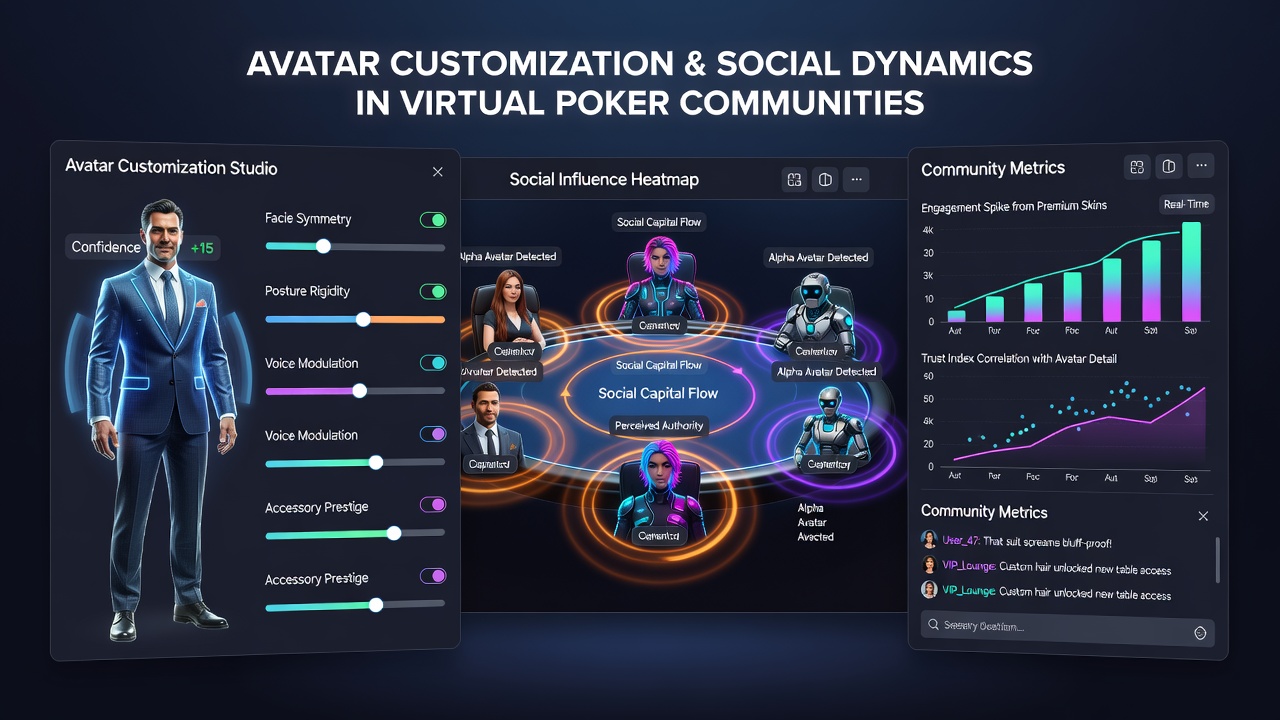
Researchers discovered that customization depth correlates with retention metrics, because players invest time selecting and refining appearances tend to log longer play periods. Platforms that introduced seasonal item rotations in mid-2026 observed spikes in daily active accounts, particularly among younger demographics who treat avatar updates as ongoing creative outlets alongside the poker mechanics themselves.
Behavioral Shifts and Interaction Patterns
Custom emotes and pose options alter decision timing, as players pause to trigger animations that communicate intent or frustration before committing chips. According to session data shared by the Canadian Gaming Research Institute, tables with active gesture use show extended pre-flop deliberation phases, suggesting that visual feedback loops slow down or accelerate action depending on context. Some operators responded by limiting animation frequency during timed tournaments to maintain pace.
Community moderators have adjusted reporting tools to flag avatar-based harassment patterns, since certain customization combinations appear in repeated complaints about targeted messaging. This development prompted several networks to add moderation layers that review visual elements alongside chat logs when disputes arise.
Conclusion
Avatar customization continues to evolve alongside platform growth, with developers testing new layers such as dynamic lighting effects and cross-game item transfers that could further embed these features into broader virtual economies. The patterns observed through 2026 indicate that visual tools now form an integral part of how participants navigate relationships, establish presence, and interpret actions within digital poker environments. As networks refine these systems, ongoing data collection from regulatory bodies and academic groups will track resulting shifts in engagement and group dynamics across regions.